Research
Research that meets the real world.
Estimation, planning, and control for robots and vehicles operating with uncertainty.
My research connects estimation, decision making, and control with the work of building autonomous systems. I develop methods for uncertainty and physical constraints, then define how to validate them in experiments and deployed systems. This has meant working across research, engineering, and product teams as well as setting technical direction for larger programs.
Planning and control
Planning a feasible path is only part of an autonomy problem; the system must also track it safely as conditions change. My work has included model predictive control, particle-filter-based motion planning, reachability, and invariant-set methods for autonomous vehicles, articulated vehicles, quadrotors, and mobile robots. In industrial settings, I have also led work on multi-robot routing, task allocation, and resource allocation.
Localization and estimation
Reliable autonomy depends on knowing where a system is and how it is moving. I have developed Bayesian filtering and sensor-fusion methods for vehicle state estimation, GNSS positioning, and joint vehicle localization and road mapping. This line of work includes particle filters, Kalman filters, factor-graph methods, and learning-based models, with attention to imperfect measurements and uncertain sensor noise.
Mobile manipulation and robot autonomy
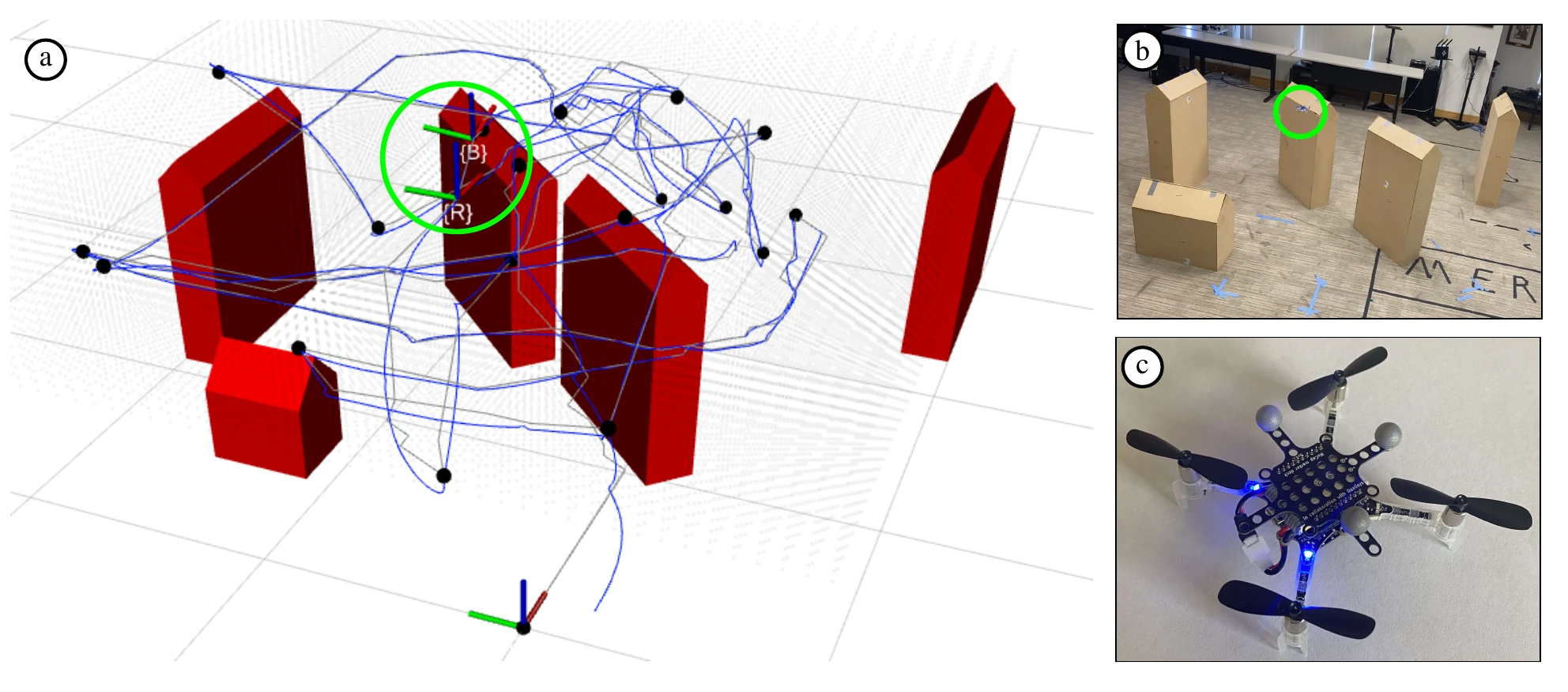
At Chewy, I lead autonomy algorithm work for mobile manipulation systems, from research prototypes through validation and engineering handoff. Earlier work at WASR and Symbotic addressed routing, control, and coordination in fleets of autonomous robots. These problems bring planning, estimation, and control together under the timing and reliability requirements of real operations.
Research highlights
Full publication list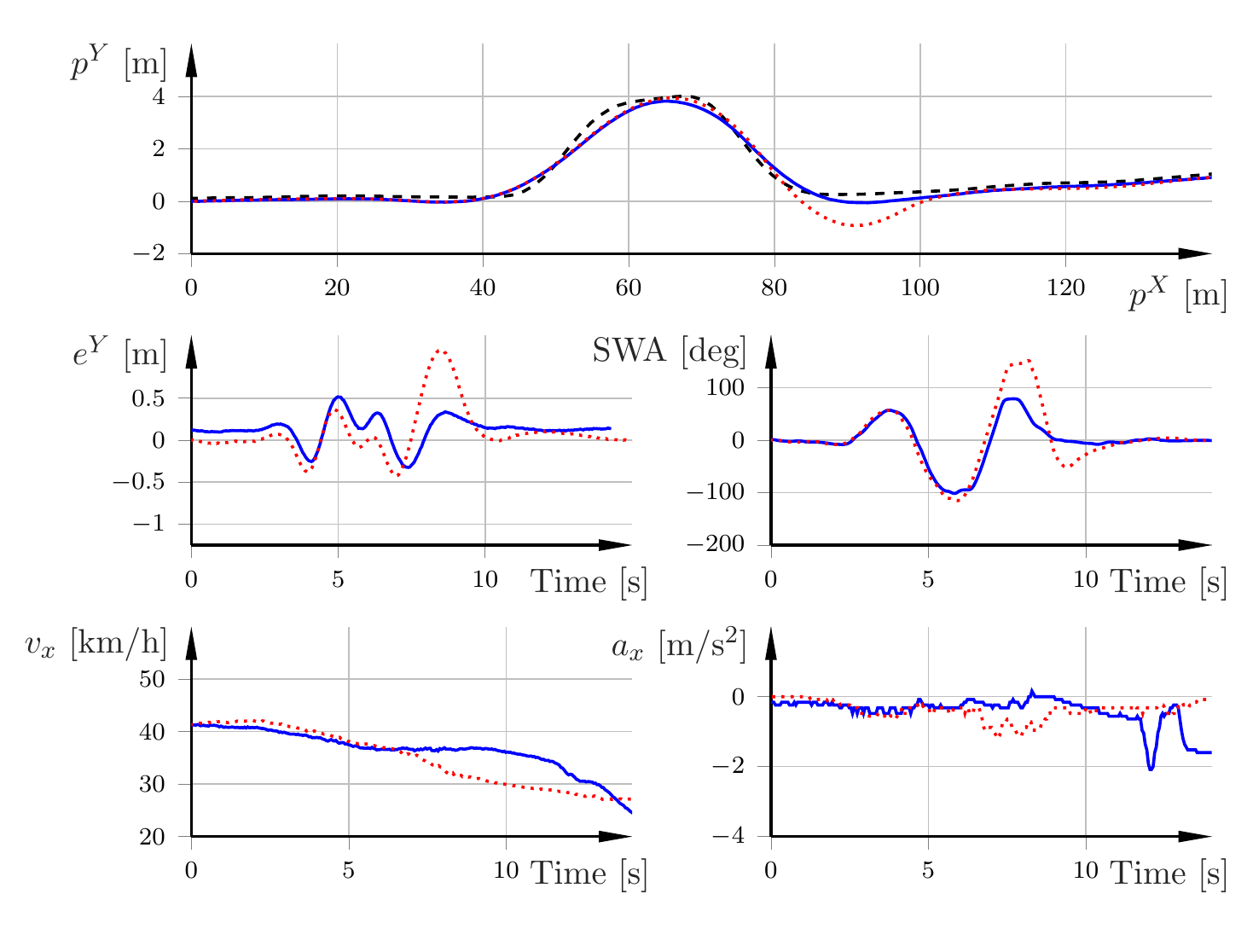
Research area
Planning and control
Safe decisions and feasible motion for systems with dynamic constraints.
Representative papers
Research area
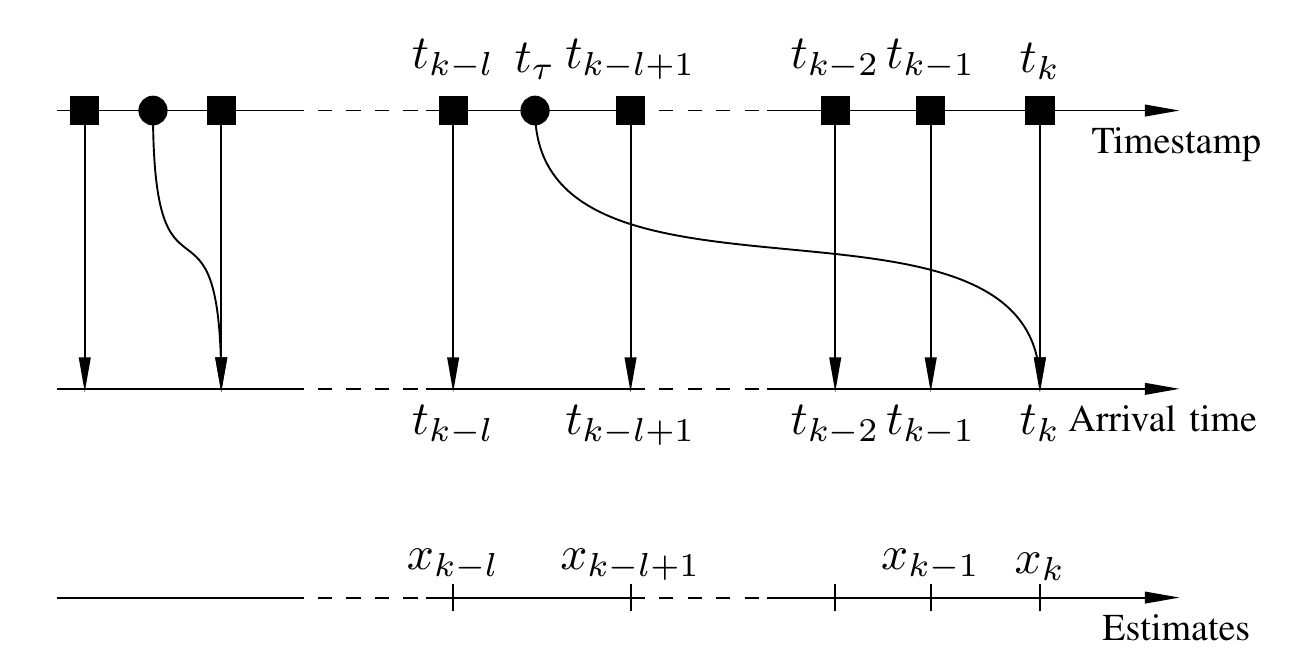
Localization and estimation
Reliable position and state estimates from imperfect sensor measurements.
Representative papers
- Joint Wheel-Slip and Vehicle-Motion Estimation Based on Inertial, GPS, and Wheel-Speed Sensors2016
- A Framework for Joint Vehicle Localization and Road Mapping Using Onboard Sensors2024
- Online Bayesian Inference and Learning of Gaussian-Process State-Space Models2021
- Rao-Blackwellized Particle Filters with Out-of-Sequence Measurement Processing2014
Research area
Mobile manipulation and robot autonomy
Methods that bring sensing, planning, and control together on physical robots.
Representative papers